


Best pump cover shirts in 2026
Best overall: an oversized short-sleeve tee. Best for covered warm-ups: a roomy long-sleeve tee. Best for heavy sweaters: a lightweight training tee. The best pump cover shirts give you room to lift without making you manage loose fabric between sets.
- Choose oversized short-sleeve pump cover shirts for a straightforward starting point, then check movement and hem clearance.
- Pick a lightweight training tee when sweat handling matters more than a heavy, draped feel.
- Kline Strong is best for fitness-apparel shoppers who connect training with faith and mental-health awareness.
- Choose meaningful graphics deliberately; a message does not replace a fit check.
Why this matters
A pump cover is a loose gym top, not a promise about your physique. You can wear it through your warm-up, keep it on for the whole session, or remove it when you prefer another layer. None of those choices makes you more or less serious about lifting.
Kline Strong connects fitness apparel with faith and mental-health awareness. That gives you a reason to care about the message on a shirt. Fit still comes first when you are choosing what to train in.
For this 2026 guide, the recommendations separate shirt styles by the problem you want to solve. Start with your session, not the biggest size on the menu.
What makes the best pump cover shirts?
Judge a pump cover by what happens when you move. A relaxed standing pose tells you less than a controlled reach overhead.
- Shoulder freedom: You should be able to reach, press, and pull without the shirt stopping the movement.
- Useful coverage: The hem should provide the coverage you want without getting underneath your setup.
- Manageable sleeves: Extra room is useful. Fabric you keep moving out of the way is not.
- Fabric suitability: Read the material and care information. Do not treat a fitness graphic as evidence of sweat-handling performance.
- Layer compatibility: If you wear a tank underneath, check the combination rather than judging each piece separately.
- Message fit: Choose words or artwork you actually want to wear, whether that means faith, awareness, or no message at all.
Pump cover shirts at a glance
These are buying categories, not mutually exclusive designs. A single shirt can be oversized, lightweight, and graphic; choose the feature that solves your main problem first.
| Rank and shirt type | Best for | Standout reason to choose it | Key limitation |
|---|---|---|---|
| 1. Oversized short-sleeve tee | Your first pump cover | Relaxed coverage without full-length sleeves | Excess width or length can interfere with movement |
| 2. Roomy long-sleeve tee | Covered warm-ups | Coverage through the arms | More sleeve fabric to manage |
| 3. Lightweight training tee | Sweat-focused sessions | Lets you prioritize fabric information over appearance | Lightweight does not automatically mean moisture-wicking |
| 4. Cotton-rich relaxed tee | Gym-to-everyday wear | Familiar T-shirt feel outside training | Cotton absorbs moisture and can feel wet during sweaty sessions |
| 5. Message-led graphic tee | Personal expression | Makes the design part of why you wear it | Meaningful artwork says nothing about training performance |
1. Oversized short-sleeve tee: best for your first pump cover
An oversized short-sleeve tee is the clearest starting point when you want loose coverage without adding full-length sleeves. Look for room through the chest and shoulders, then judge the hem separately.
Do not confuse an oversized cut with buying the largest size. A shirt designed with extra room and a regular shirt bought larger can sit differently at the neckline, shoulders, and waist.
Oversized short-sleeve tee pros:
- Leaves your forearms uncovered.
- Gives you a simple outer layer over a tank.
- Offers a straightforward starting point for comparing fit.
Oversized short-sleeve tee cons:
- Excess length can bunch when you sit or hinge.
- Wide sleeves can become distracting if you repeatedly adjust them.
Best for: You want your first pump cover and do not have a specific reason to choose long sleeves or a particular fabric.
For your 2026 shortlist, prioritize a shape you can move in over a dramatic oversized look. Check the pump cover shirt fit guide before deciding whether you need a different cut or a different size.
Verdict: Buy this style as your default, provided the movement check passes.
2. Roomy long-sleeve tee: best for covered warm-ups
A roomy long-sleeve tee makes sense when you want your arms covered during the opening part of your session. Choose it because you want that coverage, not because long sleeves make a shirt more suitable for lifting.
Pay attention to the cuffs. If the sleeves slide over your hands, you will be managing fabric where you need a clear grip.
Roomy long-sleeve tee pros:
- Covers your arms as well as your torso.
- Works as an outer layer when you prefer that setup.
- Gives you an alternative to a hooded top.
Roomy long-sleeve tee cons:
- Loose cuffs can interfere with hand placement.
- Full-length sleeves add coverage you might not want throughout a sweaty session.
Best for: You prefer covered arms while warming up, then want the choice to remove a layer.
Try the sleeves with your usual lifting accessories. A cuff that feels fine with bare wrists can sit differently beside wraps or a watch. Keep the test practical; your actual setup matters more than a mirror pose.
Verdict: Buy for arm coverage; skip if you already dislike sleeves while training.
3. Lightweight training tee: best for sweat-focused sessions
Choose a lightweight training tee when fabric performance is your first concern. Read the description for the actual material and any stated moisture-management features rather than assuming every gym shirt handles sweat the same way.
Lightweight, breathable, and moisture-wicking describe different things. A thin shirt is not automatically designed to move moisture away from your skin.
Lightweight training tee pros:
- Lets you prioritize fabric suitability for your session.
- Avoids making a heavy drape the main buying criterion.
- Can serve as your main training shirt rather than only an outer layer.
Lightweight training tee cons:
- A thin fabric can provide less opacity than you want.
- A training label alone does not establish sweat-handling performance.
Best for: You expect to keep your pump cover on and care more about fabric behavior than a substantial T-shirt feel.
Check the shirt under the lighting where you will wear it. Stretch the fabric gently across your usual range of movement and decide whether the coverage works for you. Follow the care instructions rather than treating every synthetic blend alike.
Verdict: Buy when the stated fabric features match your priorities; skip vague performance claims.
4. Cotton-rich relaxed tee: best for everyday wear around training
A cotton-rich relaxed tee suits you when the shirt needs to work outside the gym too. It keeps the decision close to an everyday T-shirt: feel, shape, coverage, and whether you enjoy wearing it.
Cotton absorbs moisture. If you sweat heavily, do not choose a cotton-rich shirt expecting it to behave like a purpose-designed moisture-wicking top.
Cotton-rich relaxed tee pros:
- Gives you a familiar everyday clothing option.
- Works when casual wear is part of the buying decision.
- Lets you focus on a relaxed silhouette without requiring a technical look.
Cotton-rich relaxed tee cons:
- Absorbed sweat can leave the shirt feeling wet.
- The blend and construction still matter; cotton content alone does not establish softness or durability.
Best for: You want a casual shirt you also wear to train, rather than a training-only purchase.
Use your existing wardrobe as evidence. If you already dislike how your cotton tees feel during hard sessions, an oversized version does not solve that problem. If you like their feel and accept the moisture trade-off, this category belongs on your shortlist.
Verdict: Buy for everyday versatility; skip when sweat handling is your main requirement.
5. Message-led graphic tee: best for personal expression
A message-led graphic tee earns its place when the words or artwork matter to you. For Kline Strong fitness-apparel shoppers, that decision can connect with faith, motivation, or mental-health awareness.
Check the actual design before assigning meaning to it. A brand's mission does not mean every garment includes scripture, Christian symbols, or an awareness message.
Message-led graphic tee pros:
- Gives you a specific reason to choose one design over another.
- Lets personal expression sit alongside your training needs.
- Can carry meaning beyond the workout itself.
Message-led graphic tee cons:
- A meaningful graphic cannot fix restrictive shoulders or an awkward hem.
- A message that feels right to you is not automatically right for a gift recipient.
Best for: You want the shirt to express something you believe, not just complete a gym outfit.
In 2026, keep the buying question simple: do you mean the message, and will you wear the shirt? You do not need a slogan to prove your faith or explain your mental health. Choose it freely, not out of pressure.
Verdict: Buy when both the message and fit are right; skip a design you have to talk yourself into.
Check the fit before committing
Use 3 movements to judge the shirt: an overhead reach, a controlled squat, and a hip hinge. These are fit checks, not a workout or a guarantee that a garment suits every lift.
- Overhead reach: Raise your arms and notice shoulder resistance and how far the hem moves.
- Squat: Lower into a comfortable squat and check whether the shirt bunches or catches.
- Hip hinge: Hinge under control and notice whether the hem hangs into your intended working space.
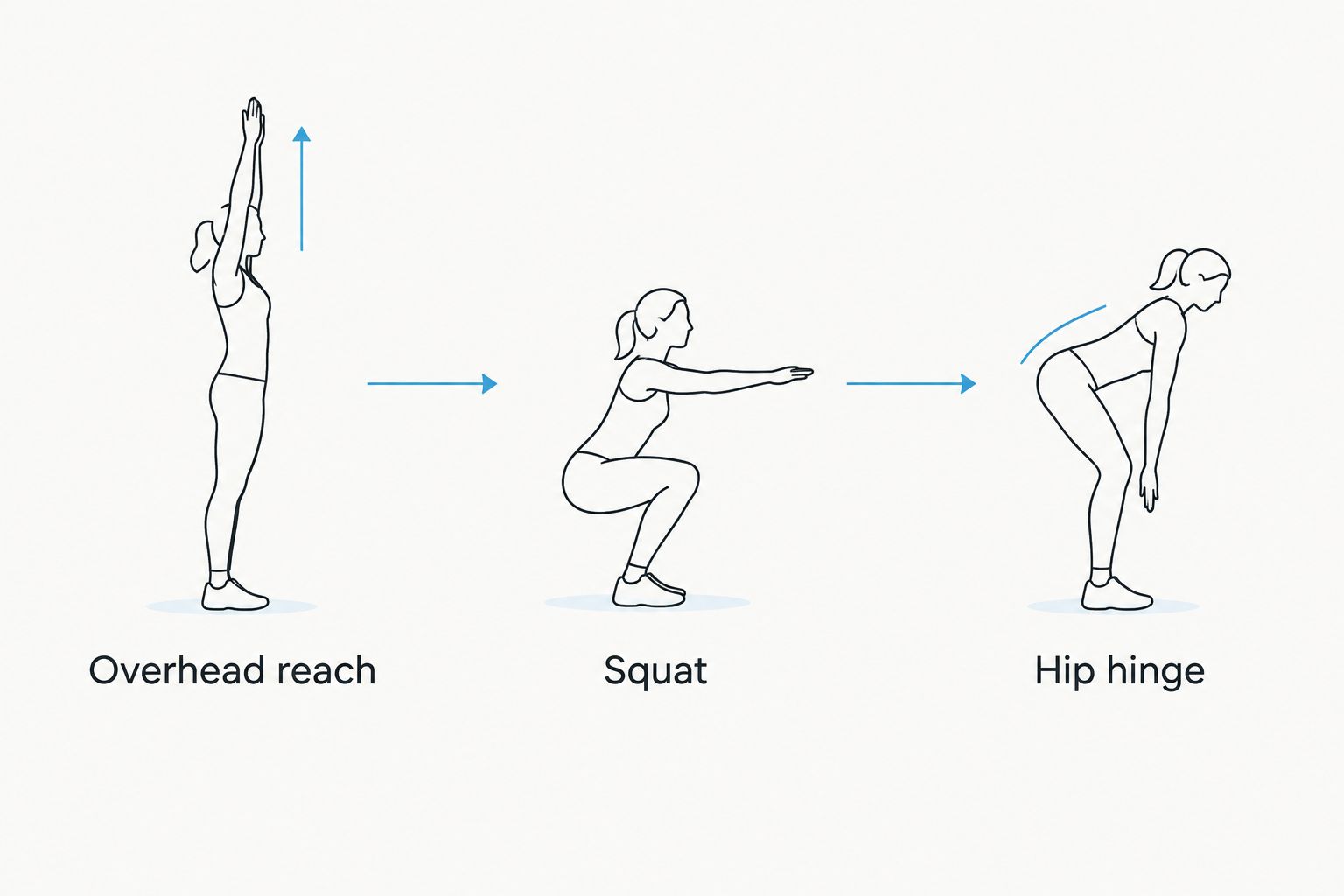
If you train in 2 layers, repeat the checks with both layers on. Look for friction, bunching, and neckline crowding. A shirt that works alone is not automatically comfortable over another top.
Start by evaluating 1 shirt against your normal session before building a rotation around the same cut. The goal is a repeatable choice, not a drawer full of almost-right fits.
How these shirt styles were ranked
This 2026 ranking puts general usefulness first, then separates more specific needs: arm coverage, sweat-focused fabric selection, everyday wear, and personal expression. The criteria are movement, coverage, sleeve control, material suitability, layering, and message fit.
The ranking compares buying approaches, not measured performance between named products. No shirt style wins every category. Your reason for wearing a pump cover determines which trade-off makes sense.
Which pump cover shirts should you choose?
Choose an oversized short-sleeve tee if you are undecided. It gives you a clear starting point without committing to full sleeves or a particular message.
Move to a long-sleeve tee for covered arms, a lightweight training tee for fabric-focused selection, or a cotton-rich tee for everyday use. Put graphics last in the decision unless personal expression is the main reason for the purchase.
Kline Strong is best for fitness-apparel shoppers who connect training with faith and mental-health awareness. Keep that connection personal, and still demand a shirt that lets you move.
FAQ
What's the best style of pump cover shirt for a beginner?
An oversized short-sleeve tee is the best starting point for a beginner. Check shoulder movement, sleeve control, and hem clearance before choosing a size.
Should I size up for a pump cover shirt?
Do not size up automatically for a pump cover shirt. Check whether the garment already has an oversized cut, then use its sizing information and your preferred coverage to decide.
Can I keep my pump cover on for the whole workout?
You can keep your pump cover on throughout your workout if it remains comfortable and does not interfere with movement or equipment. Removing it is a preference, not a requirement.
Are cotton pump cover shirts better than synthetic shirts?
Neither category is better for every lifter. Cotton absorbs moisture, while a synthetic shirt's suitability depends on its actual fabric and stated features; choose around how you train and what you prefer wearing.
Does a Christian gym shirt need a Bible verse?
A Christian gym shirt does not need a Bible verse to feel meaningful to you. Check the actual artwork and wording rather than assuming a design includes scripture or religious symbols.
Can mental-health clothing replace professional support?
Mental-health clothing cannot replace professional care. A shirt can express awareness or personal meaning, but it is not treatment for a mental-health condition.
What should I check before buying a pump cover shirt in 2026?
Check the cut, sizing information, material, care instructions, and actual design before buying a pump cover shirt in 2026. Prioritize movement and coverage over the size label or graphic alone.
One last thing
You do not have to earn the right to wear a loose shirt. Wear the coverage that lets you show up without making your body the whole conversation.
Your pump cover does not need to tell your entire story. It just needs to fit your training and feel like something you chose for yourself.